Every treatment has a protocol. Evie runs it.
Evie runs your medical director’s protocols by text: recovery check-ins and photos after filler, weekly weigh-ins and GLP-1 titration checks for weight loss, escalation to your own team, and a clean handoff to reviews and rebooking when each episode closes. No manual call list. Your providers stay in charge.
Built first for hyaluronic-acid facial filler and medical weight loss programs. Every question, threshold, and escalation path is approved by your medical director before a single patient is enrolled.

The Evie Dermal Filler Protocol
Six check-ins over fourteen days, timed to when filler complications actually present. An example framework: every question, threshold, and escalation path is approved by your medical director and counsel before use.
Evie prioritizes change over time, not just severity. A moderate symptom that is improving routes differently from a mild symptom that is rapidly getting worse. Your clinic can shorten, extend, or add check-ins by product, treatment area, and patient risk profile.
The Medical Weight Loss Protocol
Weekly for the length of the program, with GLP-1 titration checks timed to when side effects actually peak, and plateau saves before patients quietly quit.
Enrollment
Program type, medication and dose if any, baseline weight and InBody, goals, visit schedule.
Injection day (GLP-1 programs)
Dose confirmation and injection-site rotation, on the patient’s own schedule.
48 to 72 hours after a dose change
A side-effect screen timed to when titration symptoms peak, and when patients quietly drop out.
Weekly weigh-in
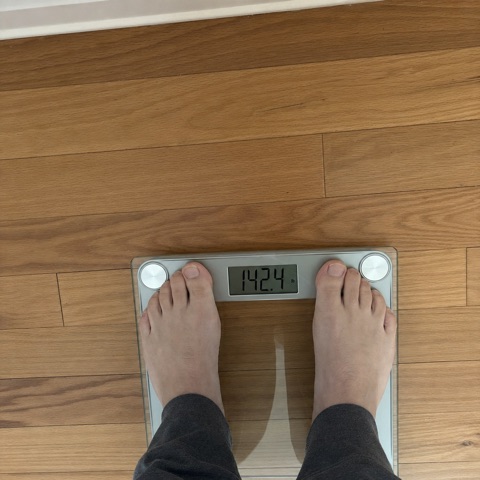
Weight or scale photo, energy, appetite, protein. The ritual that keeps patients enrolled.
Monthly progress
InBody scans and provider reviews booked through the conversation, so progress is more than a number.
Plateaus and milestones
Stalls become provider visits instead of silent dropouts. Goal weight hands off to your maintenance program.
Evie never gives dosing advice; every medication question routes to your provider. GLP-1 screening questions reflect the prescribing information for the medications your program uses, with thresholds set by your medical director.
Three priority levels, defined by your clinic
Vision changes, stroke-like symptoms, or skin turning white, gray, or blue after filler. Severe abdominal pain or persistent vomiting with dehydration on a weight loss program. Evie delivers your clinic’s emergency instruction immediately, tells the patient not to wait for a text back, alerts your designated contacts, and records acknowledgment.
Spreading redness, new discoloration, a new firm nodule, or a patient who reports being highly concerned. Dose intolerance, gallbladder symptoms, mood changes, or loss faster than your threshold on a weight loss program. Evie collects the missing context, then routes the case to your team within your chosen response window.
Mild swelling or bruising that is stable or improving. Mild nausea in the days after a GLP-1 dose change. Evie documents it, reinforces your approved instructions, and continues the schedule. It never independently tells a patient a symptom is normal; anything worsening or unusual goes to your team.
Evie never diagnoses. It reports what the patient said and why the response matched your clinic’s review criteria. The clinician decides what happens next.
Two protocols ready. A library on the way.
Each protocol pairs clinical follow-up with the retention moment that treatment naturally creates.
Dermal filler
Pilot now
Six check-ins over 14 days. Closes into a review request and a touch-up booking once your team signs off.
Neurotoxin
In design
Results check at day 14, then a rebooking touch at the 10 to 12 week mark, when the next appointment is actually due.
Medical weight loss
Pilot now
Weekly weigh-ins, GLP-1 titration checks, and plateau saves, for the length of the program.
Laser & resurfacing
In design
Healing photos on the days that matter, and series-completion nudges that keep package patients on schedule.
Recovery closes. Then the rebooking begins.
On day 14, once your team confirms there are no unresolved concerns, Evie closes the clinical episode and only then hands off to the practice: a satisfaction rating, a review request, and the next booking. Clinical aftercare stays separate from marketing while a patient has an open concern. That order is what makes the review request feel earned instead of extractive.
The boundaries are the product
No diagnosis, ever
Evie does not diagnose vascular occlusion, infection, allergy, or anything else. It reports and routes.
Your emergency process
Emergency language matches your real coverage: your on-call routing, your instructions, 911 when appropriate.
Your medical director approves everything
Every question, threshold, response, and escalation path is signed off before the first patient enrolls.
Context stays attached
Product, treatment area, provider, and photos travel with every episode. Patients never re-explain their treatment.
Screening questions reflect warning signs the FDA identifies as requiring immediate medical attention after filler treatment. Patient-facing instructions follow the specific product’s labeling and the treating provider’s direction.
Run these protocols at your med spa
The first pilot clinic is signed. We’re choosing the next cohort now: a 60-day aftercare pilot with your protocols, your medical director’s approval, and defined escalation paths before the first patient is enrolled. Your staff keeps their workflow. Your patients just answer texts.